Originally Published: August 7, 2021; Updated: August 2026
Bubbles are one of those activities that preschoolers never seem to outgrow. They are inexpensive, require very little preparation, and can keep children moving and exploring for a surprisingly long time.
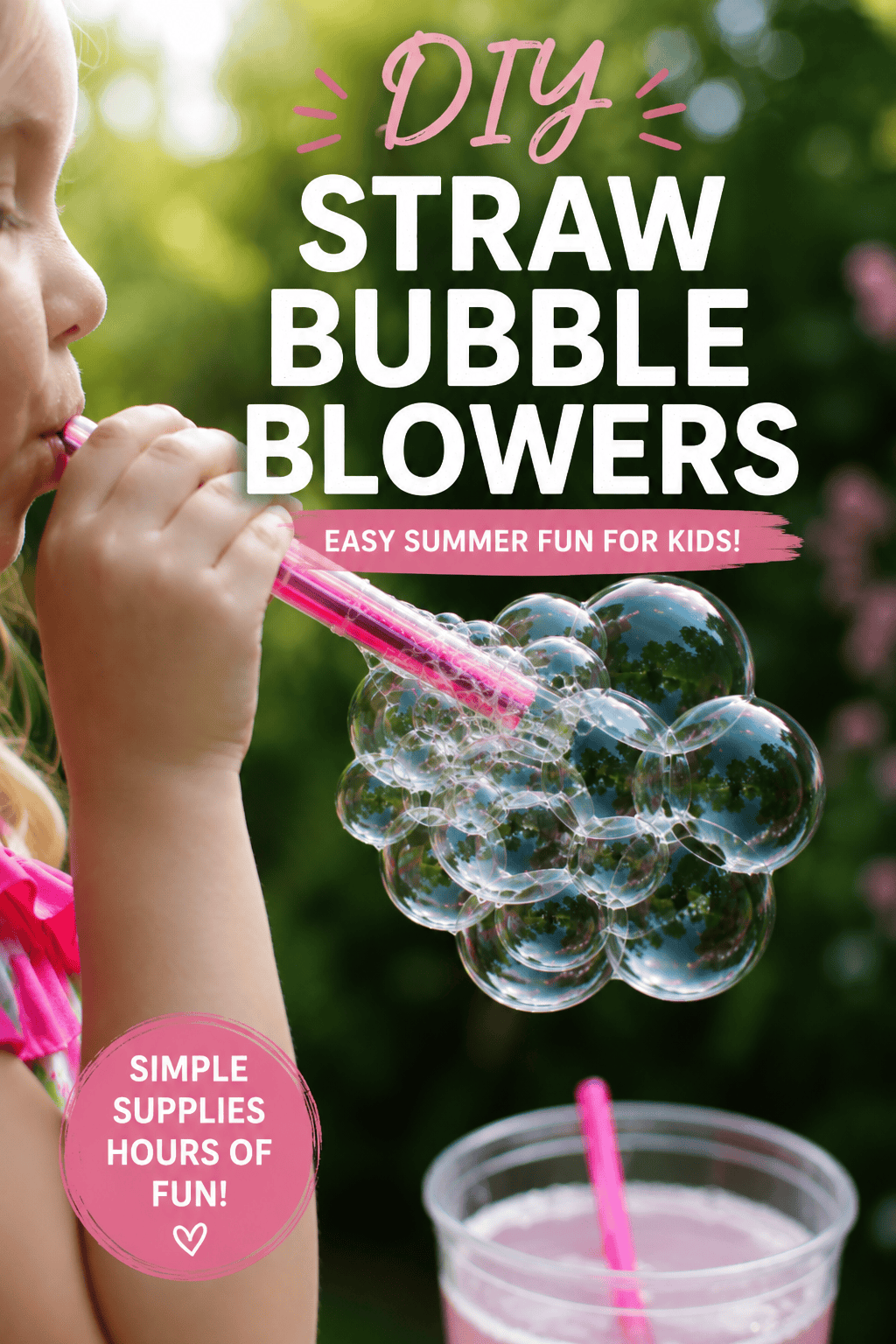
These DIY straw bubble blowers are an easy way to turn a few basic supplies into a new type of bubble wand. Instead of producing one bubble at a time, the bundle of straws creates clusters of small bubbles that are exciting to blow, chase, and pop.
We have used many different homemade bubble wands in my home daycare over the years, and this is one of the quickest versions to put together. All you need are straws, rubber bands, and bubble solution.
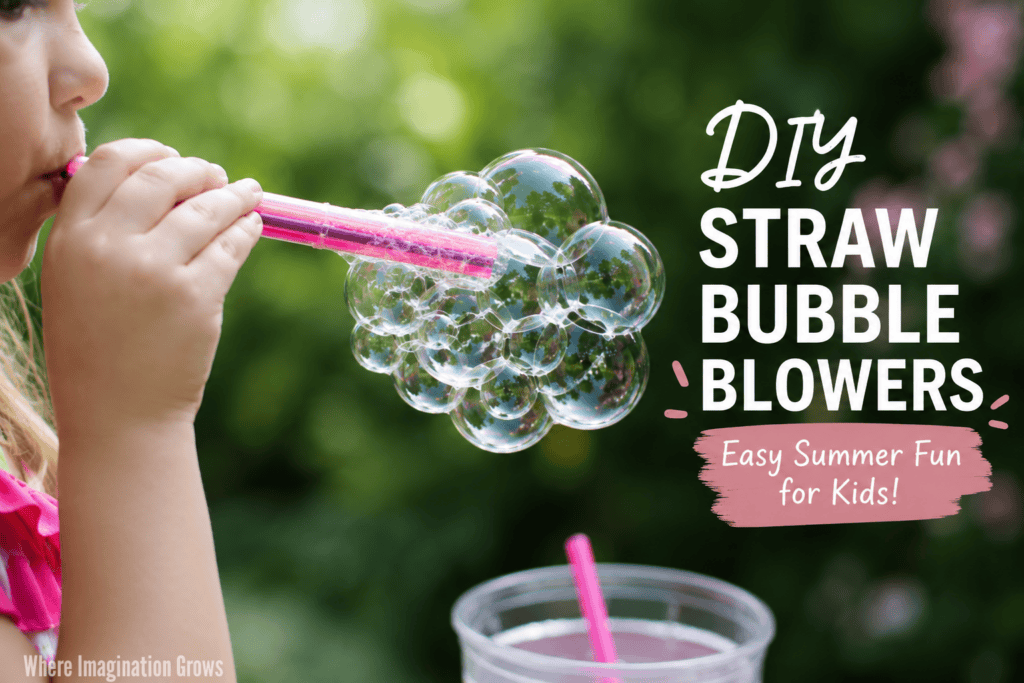
DIY Straw Bubble Blowers
These homemade bubble blowers work well as an outdoor preschool activity, a summer water-play invitation, or a quick activity when children need something active to do.
Supplies
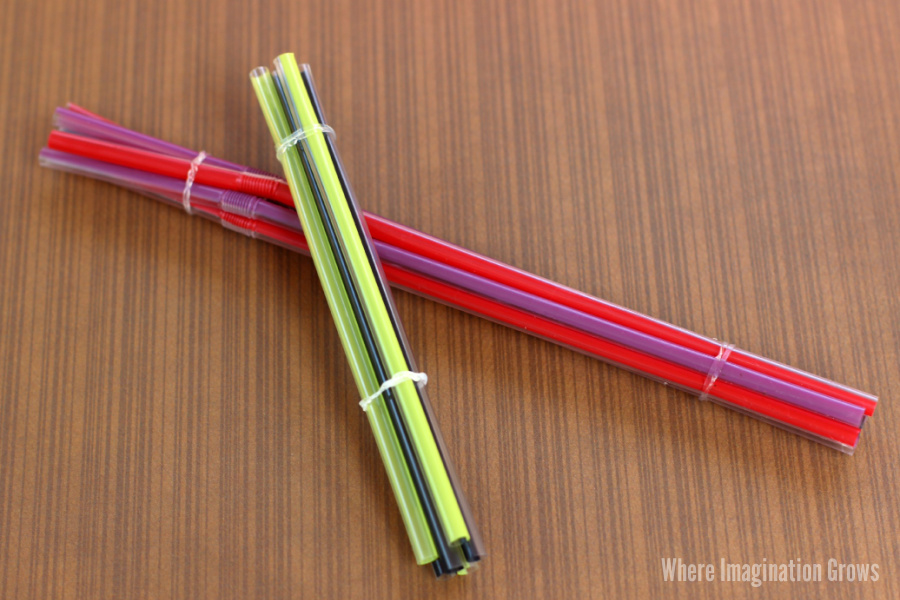
- 6–10 straws for each bubble blower
- Two small rubber bands or elastic bands
- Bubble solution
- A shallow bowl, plate, or tray
- Optional: scissors for changing the lengths of the straws
Plastic or reusable straws work best because paper straws begin to soften when repeatedly dipped into the bubble solution.
How to Make a Straw Bubble Blower
- Gather six to ten straws and line up the ends.
- Wrap a rubber band securely around one end of the bundle.
- Add a second rubber band around the other end to keep the straws together.
- Pour a shallow layer of bubble solution into a bowl or tray.
That’s it! Your straw bubble blower is ready to use.
You can make the bubble blowers ahead of time or invite older preschoolers to help select and arrange the straws. An adult should secure the rubber bands to make sure the straws stay together.
How to Use the Bubble Blower
Dip one end of the straw bundle into the bubble solution. Only the very ends of the straws need to be covered.
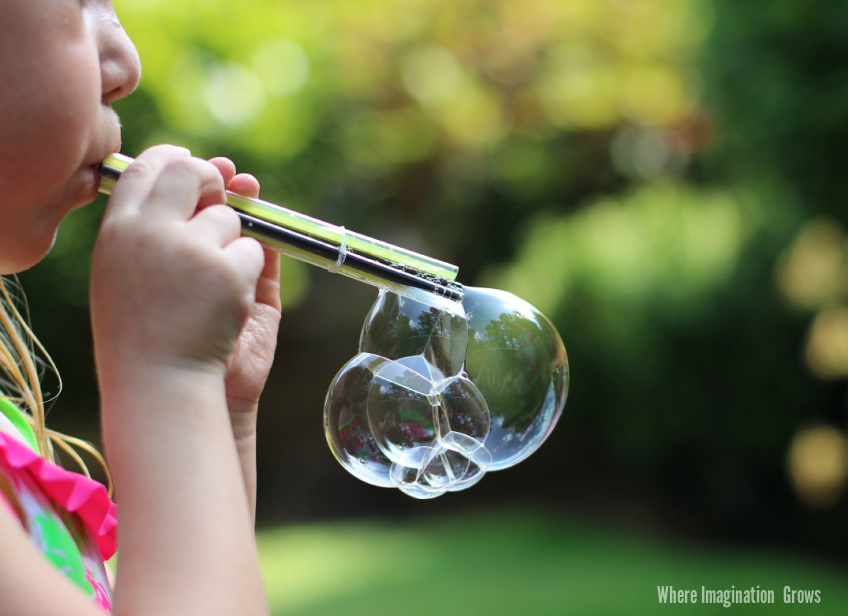
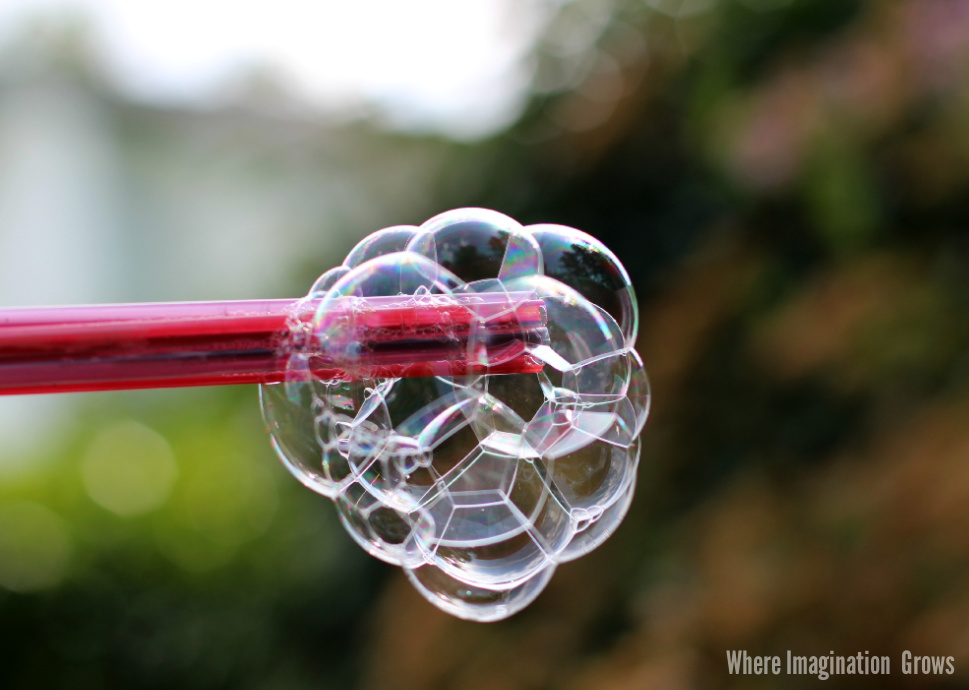
Lift the blower out of the solution and gently blow through the dry end. A cluster of small bubbles should begin forming at the opposite end.
Children can experiment with blowing softly or using a slightly stronger breath to see how it changes the bubbles. Some bubbles will float away, while others may stay connected in a foamy cluster.
Important Safety Note
Children should only use straw bubble blowers when they can reliably blow through a straw without sucking in. Always supervise this activity closely and make sure each child has an individual bubble blower.
Keep the end that was dipped in the bubble solution away from the child’s mouth. For younger toddlers, an adult can blow the bubbles while the children chase and pop them.
Learning Through Bubble Play
Blowing and chasing bubbles may look like ordinary outdoor play, but children are also experimenting with several early learning concepts.
This activity encourages:
- Cause-and-effect exploration
- Breath control
- Visual tracking
- Hand-eye coordination
- Gross motor movement
- Scientific observation
- Comparing sizes and quantities
Children quickly discover that changing the way they blow can affect the bubbles. They may notice that a gentle breath creates different results than a quick, forceful breath.
Try asking questions such as:
- What happens when you blow gently?
- What happens when you blow harder?
- Are all the bubbles the same size?
- Which bubbles stay in the air the longest?
- What do you think is inside a bubble?
- Does using more straws change the bubbles?
These open-ended questions encourage children to make predictions and describe what they observe.
Straw Bubble Blower Experiments
Once children understand how to use the bubble blowers, try changing one part of the design and comparing the results.
Change the Number of Straws
Make one blower with five straws and another with ten. Do they produce the same number of bubbles?
Try Different Straw Lengths
Cut some bundles shorter while leaving others full length. Invite children to predict whether the length will change how easy it is to blow bubbles.
Make Bigger Bubbles
A small amount of glycerin can be added to homemade bubble solution to help create stronger, longer-lasting bubbles. Store-bought bubble solution often works well without anything added.
Turn It Into a Movement Activity
Encourage children to chase the bubbles, reach up high, crouch down low, or try to pop them with different body parts.
What If the Bubble Blower Isn’t Working?
If you aren’t getting many bubbles, try these quick fixes:
- Make sure all the straw openings are aligned.
- Dip the entire end of the straw bundle into the solution.
- Use a shallow dish so the straws can be dipped evenly.
- Blow gently instead of using one strong burst of air.
- Try a fresh container of bubble solution.
- Check that dried bubble residue is not blocking the straws.
Store-bought bubble solution generally produces the most consistent results. If you use homemade solution, stir it gently instead of shaking it so the container does not fill with foam.
Frequently Asked Questions
How many straws should I use?
Six to ten straws work well for each bubble blower. There is no exact number required, so children can experiment with different-sized bundles.
Can toddlers use straw bubble blowers?
Only children who understand how to blow through a straw without sucking should use the blowers themselves. An adult should blow the bubbles for younger children.
Can we use paper straws?
Paper straws can work for a short activity, but they soften after being dipped several times. Plastic or reusable straws will last longer.
Can more than one child use the same bubble blower?
Each child should have an individual bubble blower. Label them or use different-colored straws to keep them separated.
Can I save the bubble blowers?
Yes. Rinse the dipped ends with clean water, allow the blowers to dry completely, and store them for another day. Keep each child’s blower labeled if you plan to reuse it.
An Easy Outdoor Activity for Preschoolers
DIY straw bubble blowers take only a few minutes to make, but they give children plenty of opportunities to move, experiment, and explore. They are perfect for a warm afternoon, a bubble-themed preschool lesson, or an outdoor activity at home or daycare.
The best part is seeing children’s reactions when the first cluster of bubbles begins to form. They will want to dip, blow, chase, and try it all over again!
More Water and Bubble Activities
Keep the outdoor fun going with these hands-on activities:
- Animal Washing Sensory Play for Toddlers and Preschoolers
- DIY Water Wall for Kids
- Glittery Frozen Water Balloon Sensory Bin
- More Preschool Activities
Looking for more crafts and activities? Check out our index for 100+ kids’ activities! Find activities by theme, materials, skills, age, and much more!